
Energy transition has become a strategic issue for businesses.
Electric mobility is no longer just a trend, but a structural transformation that is profoundly redefining businesses’ transport strategies. Faced with regulatory constraints, rising energy costs and CO₂ emission reduction targets, organisations need to rethink their vehicle fleets as a whole. Although this transition offers opportunities, it remains complex to implement without expert support. This is precisely where Novago positions itself as a key player, capable of getting the job done by offering concrete, pragmatic solutions that are perfectly adapted to the realities on the ground.
Novago: a committed partner in electric mobility
Novago is establishing itself as a real catalyst for the electric transition for businesses. Its approach is based on a detailed understanding of the economic, operational and environmental challenges faced by fleet managers. Rather than offering standardised solutions, Novago favours a tailor-made approach, taking into account the profile of each company, its sector of activity, the type of employees and its operational constraints. This comprehensive vision ensures a smooth, gradual and sustainable transition to electromobility.
Fleet audit and diagnosis: laying solid foundations
Every successful transition begins with a thorough analysis of the existing situation. Novago supports companies from this first strategic stage onwards with detailed fleet audits. These diagnoses enable the following to be assessed:
• Actual vehicle usage
• Daily and annual mileage
• Current operating costs
• The environmental impact of the fleet
Using this data, Novago identifies vehicles eligible for electrification and defines a realistic transition scenario, avoiding costly mistakes and inappropriate technological choices.
Selection of suitable electric and hybrid vehicles
The electric vehicle market is evolving rapidly, with an increasingly wide range of options available. Novago supports companies in choosing the most relevant models, taking into account essential criteria such as:
• Actual range under conditions of use
• Acquisition and ownership costs
• Battery reliability
• Specific business needs
This expertise enables companies to choose high-performance vehicles that are suited to their daily use, while optimising their TCO (total cost of ownership).
Smart, scalable charging solutions
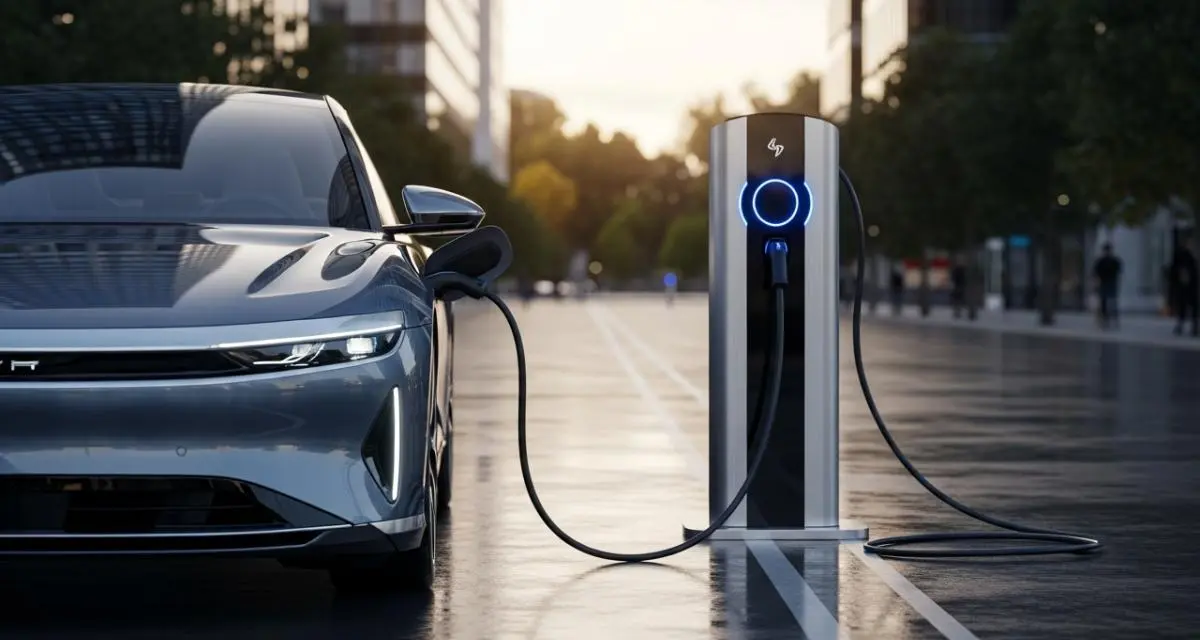
One of the major obstacles to electric mobility remains the issue of charging. Novago provides concrete solutions by supporting companies in the deployment of suitable charging infrastructure. This includes:
• Installation of on-site charging stations
• Home charging for employees
• Access to public charging networks
The solutions offered are smart, connected and scalable, enabling optimised energy management, consumption monitoring and fair cost allocation.
Employee support: a key factor for success
The success of the transition to electric vehicles also depends on driver buy-in. Novago understands this and incorporates an educational and human aspect into its support. Raising awareness of eco-driving, training in the use of electric vehicles, practical advice on charging: everything is done to facilitate the adoption of these new practices. This approach promotes rapid acceptance and reduces resistance to change.
Cost optimisation and economic performance
Contrary to popular belief, electric mobility can be a lever for financial optimisation. Novago helps companies take full advantage of the economic benefits of electrification:
• Reduced fuel costs
• Simplified and less expensive maintenance
• Access to grants and subsidies
• Tax and regulatory benefits
Thanks to accurate monitoring and powerful management tools, Novago guarantees budgetary control throughout the entire vehicle life cycle.
A long-term vision of corporate mobility
Beyond electrification, Novago supports companies in a comprehensive review of the mobility of tomorrow. The integration of multimodal solutions, car sharing, soft mobility and the optimisation of business travel are part of a long-term approach focused on performance and responsibility.
 FR
FR
 EN
EN